











 お店で受け取る
(送料無料)

 配送する
配送する

納期目安:
2026.09.15 2:14頃のお届け予定です。
決済方法が、クレジット、代金引換の場合に限ります。その他の決済方法の場合はこちらをご確認ください。
※土・日・祝日の注文の場合や在庫状況によって、商品のお届けにお時間をいただく場合がございます。

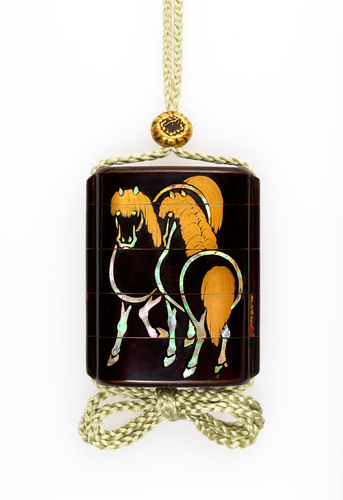
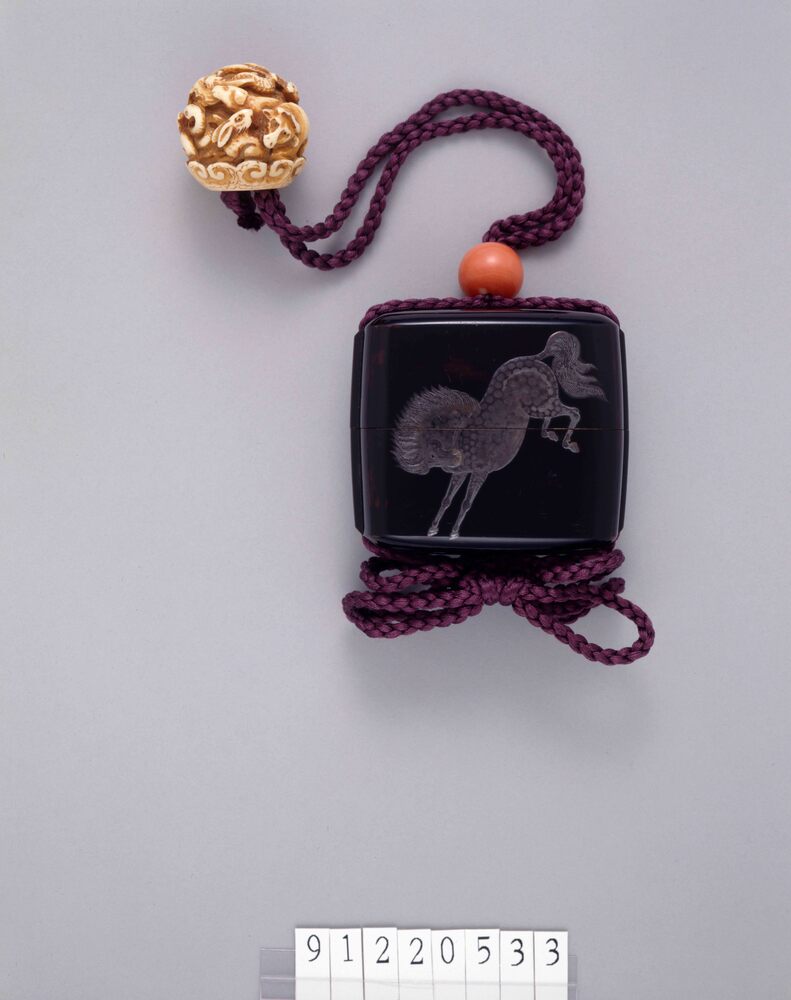
Antique Raden MakieInroHorses 螺鈿 蒔絵 印籠 馬 馬蒔絵印籠 銘 鹽見政誠畫之(政誠) | 塩見政誠 | 収蔵品詳細 | 作品の詳細情報
馬蒔絵印籠 銘 鹽見政誠畫之(政誠) | 塩見政誠 | 収蔵品詳細 | 作品。09763_02.jpg。馬蒔絵印籠 | ToMuCo - Tokyo Museum Collection。美しい黒漆の印籠です。高砂蒔絵印籠 銘 一峯斎寒山 | 鹿島一峯斎 | 収蔵品詳細 | 作品を知る。表面には、天を翔ける三頭の馬(三馬)の螺鈿細工。獅子頭。馬は、古来より「万事うまくいく」として愛された、縁起物の象徴。未使用美品 渡邊明 切子 酒杯 ぐい呑み サイン有り(切子、江戸切子、薩摩切子)。三頭の馬は、仕事、健康、家庭の繁栄をもたらすとされる、大変縁起の良い意匠です。碧明釉 耳付壷 九谷焼 徳田正彦 八十吉 人間国宝 壷 飾り壷 花瓶。【傷について:時が刻んだ「わびさび」の美】特記すべき事項として、長い歳月を経たことにより、所々螺鈿の剥がれや、剥がれやすくなっている部分がございます。時代物! 陶器製 獅子の形状 郷土玩具 約10cm。持ち運べる芸術品をぜひ貴方のコレクションにお迎えください。バカラ baccarat 招き猫 レッド。傷の詳細は、写真にてご確認ください【English: The Art of Wabi-Sabi & Victory】This is an exquisite Raden Makie Inro (Edo-Meiji period). The black lacquer surface features three majestic horses, a potent Japanese symbol for \"success in all endeavors\" (Banji umaku-iku). This motif is believed to bring prosperity to career, health, and family.【Condition: A Reflection of Imperfection】Due to its significant age, some Raden (mother-of-pearl) inlay has naturally chipped or become delicate. In Japan, we call this \"Wabi-Sabi\"—finding profound beauty in impermanence and the passage of time. This aged patina is not a flaw, but a soul-stirring connection to Samurai history. Please review the photos for details.ご覧いただきありがとうございます。神楽面 杉谷茂 出雲神楽 島根県 神 伝統工芸 稲佐の浜 劇 面。

ベストセラーランキングです


この商品を見た人はこんな商品も見ています
-
 マイストア在庫: 2667税込11600円
 -
 マイストア在庫: 4088税込19250円
 -
 マイストア在庫: 3256税込6750円
 -
 マイストア在庫: 3652税込7500円
 -
 マイストア在庫: 4264税込91200円
近くの売り場の商品


カスタマーレビュー
オススメ度 4点
現在、3460件のレビューが投稿されています。